Access Officer
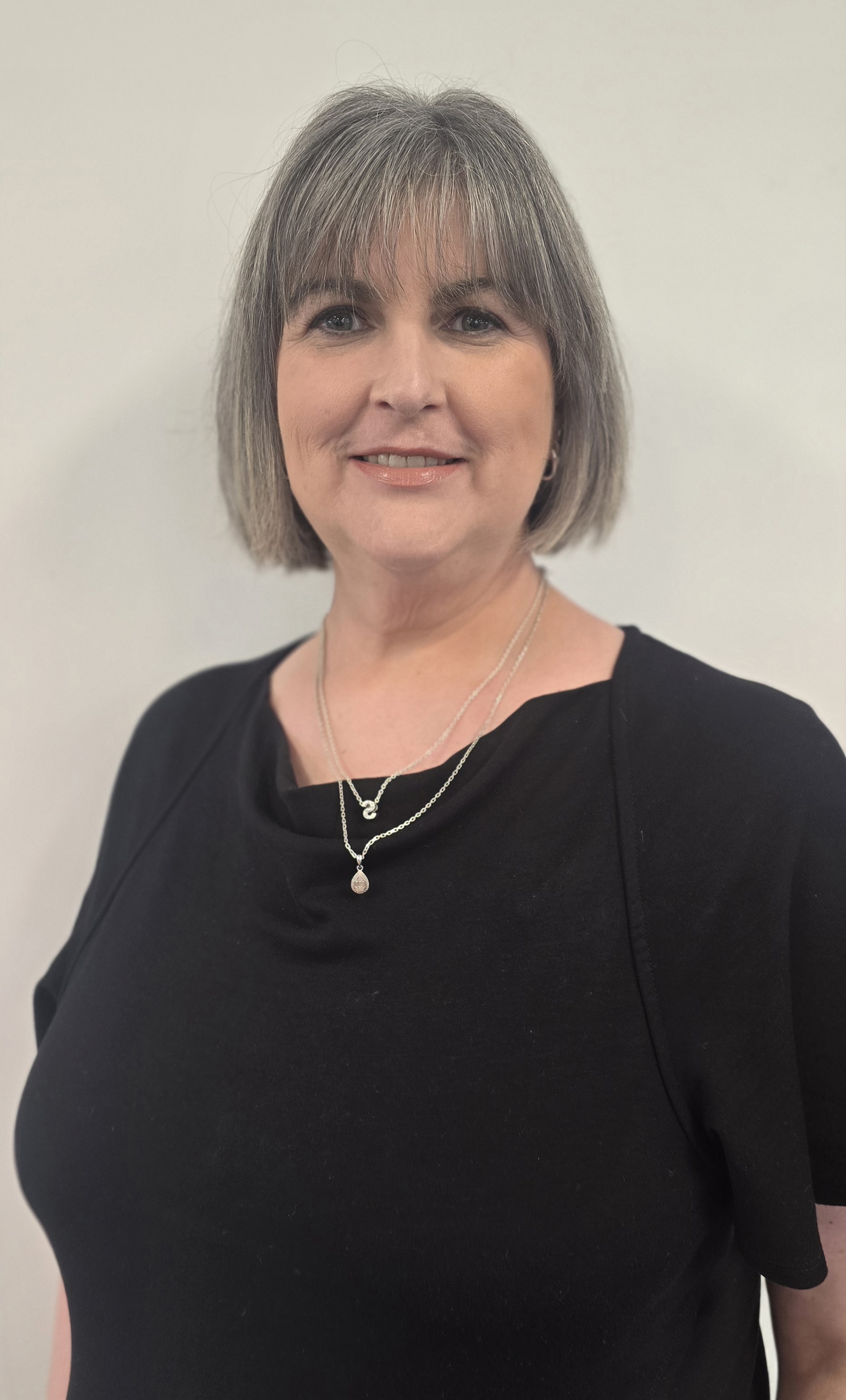
In accordance with Section 26(2) of the Disability Act 2005, Ms. Susan Deery, is the appointed Access Officer for Louth County Council.
The Access Officer is responsible for providing or arranging for, and co-ordinating assistance and guidance to persons with disabilities accessing services provided by Louth County Council.
The Access Officer also assists the various departments in meeting their requirements under the Disability Act 2005, and in turn therefore making Louth County Council and its services "accessible for all".
Inquiry Officer

In accordance with Sections 38 & 39 of the Disability Act 2005, Mr. Finbar Gethins, is the appointed Inquiry Officer for Louth County Council.
The Inquiry Officer is responsible for independently investigating complaints where a person believes a public body has not met its accessibility duties.
Please refer to “making a complaint”.
Accessibility Policy
Our Corporate Vision, as set out in the Corporate Plan 2024–2029, aspires to “lead the way in sustainability, inclusivity and quality of life for its citizens.” The Mission Statement further underscores our commitment to “creating a vibrant, sustainable county, fostering economic growth and enhancing quality of life, through active engagement, civic leadership and the delivery of effective public services.”
These guiding principles form the foundation of the Council’s Core Values, which emphasise Equality, Inclusiveness, and a Citizen‑Centric approach. Together, they articulate the Council’s firm commitment to ensuring that all services, facilities and public interactions are accessible, inclusive, and responsive to the diverse needs of every member of our community.
Louth County Council recognises the implementation of the Disability Act 2005 as a critical component of this commitment. By embedding accessibility in our planning, service delivery, public buildings, digital platforms and community engagement processes, we aim not only to meet statutory obligations but to advance a culture of universal access. Our goal is to ensure that Louth County is a place where people of all ages, abilities and backgrounds can participate equally, independently and with dignity.
Through this Accessibility Policy, Louth County Council reaffirms its dedication to removing barriers, promoting equal opportunities, and fostering a county that is inclusive.
Related Documents Disability Act 2005
Web Accessibility Statement
Louth County Council is aware of its requirement to update accessibility on our website and we are committed to updating and introducing a new Website during 2026 which will be fully accessible and compliant in accordance with European Union (Accessibility of Websites and Mobile Applications of Public Sector Bodies) Regulations 2020 and Web Content Accessibility Guidelines 2.1
This accessibility statement applies to content published on www.louthcoco.ie
Preparation of this accessibility statement
This statement was prepared on 1st March 2026.
Feedback and contact information
Louth County Council is committed to ensuring accessibility for all person who access our services. We welcome feedback on all accessibility issues and if you have a comment or complaint about any matter relating to accessibility, please email us at accessofficer@louthcoco.ie or by phone at 042 9335457.
If you wish to request particular content in an accessible format please include the following details:
- Your required format
- The content you wish to receive
- Your name and email address
We will make all reasonable efforts to fulfil your request.
Making a Complaint, under the Disability Act 2005
Section 38 of the Disability Act 2005 enables any person to make a complaint in writing to the Head of Louth County Council in relation to the failure of Louth County Council to comply with Sections of the Act that refer to local authorities (25, 26, 27, 28 or 29)
For the purposes of handling such complaints, Louth County Council has delegated an Inquiry Officer to receive and to refer complaints from the public with regard to the implementation of the Disability Act 2005.
All complaints under Section 38 are to be made in writing and forwarded to the Inquiry Officer of Louth County Council. The inquiry officer has responsibility to respond to all complaints made in writing in relation to the failure of the council to comply with Sections 25, 26, 27, 28 and 29 of the Act.
To assist the public in making a complaint, a standard complaint form has been prepared, together with a useful checklist of the information that is needed to assist the inquiry officer with investigating and responding to complaints which can be downloaded HERE.
Complaints Procedure under Section 38 Disability Act 2005 checklist
- All complaints to be submitted in writing/email/in person to: Mr. Finbar Gethins, Disability Act Inquiry Officer Louth County Council, County Hall, Dundalk, County Louth Phone: 042 9335457 E-mail: inquiryofficer@louthcoco.ie
- The complaint should include all relevant and necessary information such as:
- Name, address, contact telephone number and email address
- How and why was the service/information/public place or building inaccessible
- Why are you dissatisfied with the service you initially received
- All written complaints under Section 38 of the Disability Act will be acknowledged within five working days
- Response to issue within 21 working days – advise complainant or person acting on behalf of that person if it will take longer
- The response will confirm that if it's a valid complaint, what Louth County Council propose to do to rectify the situation and within what timeframe
- If not satisfied with the response, your complaint can be forwarded for an Internal review by an independent staff member
- Receipt of request for Internal Review to be acknowledged within 3 working days. Response to issue within 14 working days.
- There are no fees involved in making a complaint with regard to the Disability Act 2005
If you remain unhappy with our response, then you can refer your complaint to the Office of the Ombudsman. The Ombudsman is fair, independent, and free to use and you can visit www.ombudsman.ie for contact details etc.


